Chapter 1
~16 min read
In this chapter, you'll learn how to examine your values, personality, emotional needs, weaknesses, goals, and expectations before beginning a serious relationship. Understanding your identity and recognizing emotional wounds are crucial steps toward becoming emotionally ready for commitment. By the end of this chapter, you'll have a clearer picture of who you are and what you truly want from a relationship, setting a strong foundation for choosing a partner wisely.
Understanding Your Identity
Before you can choose the right partner, it's essential to understand who you are. This involves a deep dive into your values, personality, and life goals. Think of it as creating a personal roadmap that guides your decisions and helps you stay true to yourself.
Identifying Your Core Values
Core values are the fundamental beliefs that guide your behavior and decision-making. They are the principles you hold dear, such as honesty, kindness, or ambition. To identify your core values, consider what matters most to you in life. Ask yourself questions like:
What qualities do I admire in others?
What principles do I refuse to compromise on?
What motivates me to get out of bed each morning?
For example, if you value honesty, you'll likely seek a partner who is truthful and transparent. Understanding your core values helps ensure that your relationship aligns with what you find most important.
Exploring Your Personality
Your personality is the unique combination of characteristics and traits that define how you think, feel, and behave. Understanding your personality can help you identify what type of partner complements you best. Consider taking a personality assessment, such as the Myers-Briggs Type Indicator or the Big Five Personality Traits, to gain insights into your personality.
For instance, if you're an introvert who enjoys quiet evenings at home, you might find it challenging to be with someone who thrives in social settings and prefers a bustling lifestyle. Recognizing these aspects of your personality can help you find a partner whose lifestyle and preferences align with yours.
Clarifying Your Life Goals
Your life goals are the aspirations and objectives you aim to achieve. They can include career ambitions, family plans, or personal development targets. Knowing your life goals helps you find a partner who shares similar aspirations or supports your journey.
To clarify your life goals, reflect on questions like:
Where do I see myself in five or ten years?
What are my career aspirations?
Do I want to have children, and if so, when?
Having a clear vision of your future can guide you in choosing a partner who shares your dreams or is willing to support them.
Recognizing Emotional Wounds
Emotional wounds are past experiences that have left a lasting impact on your emotional well-being. These can include past relationships, family dynamics, or personal traumas. Recognizing and addressing these wounds is crucial for entering a healthy relationship.
Identifying Emotional Triggers
Emotional triggers are situations or behaviors that evoke strong emotional reactions. They often stem from unresolved emotional wounds. Identifying your triggers can help you manage your reactions and communicate more effectively with your partner.
For example, if you feel anxious when your partner doesn't respond to your messages promptly, it might be linked to past experiences of feeling ignored or abandoned. Recognizing this trigger allows you to address it constructively rather than reacting impulsively.
Healing Past Hurts
Healing emotional wounds involves acknowledging them and taking steps to address them. This might include seeking therapy, practicing self-reflection, or engaging in activities that promote emotional healing, such as journaling or meditation.
Consider this scenario: Imagine you've experienced betrayal in a past relationship. To heal, you might work with a therapist to rebuild trust and develop healthier relationship patterns. By addressing these wounds, you become more emotionally available and resilient in future relationships.
Becoming Emotionally Ready for Commitment
Being emotionally ready for commitment means having the emotional maturity and stability to engage in a healthy, long-term relationship. It involves understanding your emotional needs, managing your emotions, and being open to vulnerability.
Understanding Your Emotional Needs
Your emotional needs are the feelings and experiences you require to feel fulfilled and secure in a relationship. These can include affection, validation, or support. Identifying your emotional needs helps you communicate them to your partner and ensures they are met.
For instance, if you need regular reassurance of your partner's love, it's important to express this need openly. This allows your partner to understand and respond to your needs, fostering a stronger connection.
Managing Your Emotions
Effective emotional management involves recognizing, understanding, and regulating your emotions. This skill is crucial for maintaining a healthy relationship, as it helps prevent misunderstandings and conflicts.
Practice techniques such as deep breathing, mindfulness, or taking a pause before reacting to manage your emotions effectively. For example, if you feel anger rising during a disagreement, take a moment to breathe deeply and collect your thoughts before responding. This approach can prevent escalation and promote constructive communication.
Embracing Vulnerability
Vulnerability is the willingness to open up and share your true self with your partner, including your fears, insecurities, and dreams. Embracing vulnerability fosters intimacy and trust in a relationship.
Consider this example: Sharing a personal fear with your partner, such as a fear of failure, allows them to understand you better and offer support. This openness can deepen your connection and create a safe space for both partners to be authentic.
Practical Application: Self-Reflection Exercise
To apply what you've learned in this chapter, take some time for self-reflection. Set aside a quiet moment to answer the following questions honestly:
What are my core values, and how do they influence my relationship choices?
What aspects of my personality should I consider when choosing a partner?
What are my life goals, and how do they align with a potential partner's goals?
What emotional wounds do I need to address before entering a new relationship?
What are my emotional needs, and how can I communicate them effectively?
Reflecting on these questions will help you gain clarity about yourself and prepare you for a healthy, fulfilling relationship.
Key Takeaways
Understanding your identity, including your values, personality, and life goals, is crucial before choosing a partner.
Recognizing and healing emotional wounds helps you become emotionally ready for commitment.
Emotional readiness involves understanding your emotional needs, managing your emotions, and embracing vulnerability.
By knowing yourself better, you lay the groundwork for a relationship built on mutual understanding, respect, and shared values. This self-awareness empowers you to choose a partner who complements your journey and supports your growth.
Separating Genuine Standards from Unrealistic Fantasies
As you prepare for a serious relationship, it's important to distinguish between genuine standards and unrealistic fantasies. Genuine standards are the non-negotiable qualities that align with your values and life goals, while unrealistic fantasies are often based on idealized notions of a partner that may not exist in reality.
Defining Genuine Standards
Genuine standards are rooted in your core values and life goals. They reflect what you truly need in a partner to build a healthy and fulfilling relationship. For example, if honesty is a core value, a genuine standard might be a partner who communicates transparently and truthfully.
To define your genuine standards, consider the qualities that are essential for you to feel respected and supported. These might include:
Emotional maturity
Shared values and goals
Mutual respect and understanding
Commitment to personal growth
These standards help you focus on what truly matters in a relationship, guiding you toward a partner who complements your life journey.
Recognizing Unrealistic Fantasies
Unrealistic fantasies often stem from societal expectations, media portrayals, or personal insecurities. They can include superficial qualities like physical appearance, wealth, or social status. While these traits might be appealing, they don't necessarily contribute to a lasting partnership.
To recognize unrealistic fantasies, reflect on whether your expectations are based on reality or idealized images. Ask yourself:
Am I focusing too much on superficial traits?
Are my expectations influenced by external pressures?
Do my fantasies align with my genuine standards?
By identifying these fantasies, you can adjust your expectations and focus on finding a partner who meets your genuine standards.
Becoming Emotionally Ready for Commitment
Emotional readiness for commitment involves more than just understanding your needs and managing your emotions. It also requires a willingness to grow and adapt alongside your partner. This readiness is crucial for building a resilient and enduring relationship.
Developing Emotional Resilience
Emotional resilience is the ability to bounce back from challenges and maintain a positive outlook. In a relationship, resilience helps you navigate conflicts and setbacks without losing sight of your shared goals.
To build emotional resilience, practice self-care and stress management techniques. Engage in activities that rejuvenate your mind and body, such as exercise, meditation, or spending time in nature. These practices can enhance your ability to cope with relationship challenges constructively.
Fostering Open Communication
Open communication is the cornerstone of a healthy relationship. It involves expressing your thoughts and feelings honestly while also being receptive to your partner's perspective. This openness fosters trust and understanding, allowing both partners to feel heard and valued.
To foster open communication, practice active listening and empathy. When your partner shares their thoughts, listen attentively and validate their feelings. Respond with empathy and avoid interrupting or dismissing their concerns. This approach creates a safe space for honest dialogue and strengthens your emotional connection.
Embracing Change and Growth
Relationships are dynamic, and both partners must be willing to embrace change and growth. This involves adapting to new circumstances, learning from experiences, and supporting each other's personal development.
To embrace change, maintain a flexible mindset and be open to new possibilities. Encourage your partner's growth by celebrating their achievements and offering support during challenges. This mutual encouragement fosters a partnership where both individuals can thrive and evolve together.
Practical Application: Setting Realistic Expectations
To apply these concepts, take time to set realistic expectations for your future relationship. Consider the following steps:
List Your Genuine Standards: Write down the non-negotiable qualities you seek in a partner. Ensure these standards align with your core values and life goals.
Identify Unrealistic Fantasies: Reflect on any idealized notions you may have about a partner. Challenge these fantasies by considering whether they contribute to a meaningful relationship.
Practice Open Communication: Engage in conversations with friends or family to practice expressing your thoughts and feelings openly. This exercise can prepare you for honest communication in a future relationship.
Embrace Personal Growth: Set personal development goals that align with your values and aspirations. Pursue activities that challenge you and promote growth, such as learning a new skill or volunteering.
By setting realistic expectations and focusing on genuine standards, you prepare yourself for a relationship that is grounded in authenticity and mutual respect.
Key Takeaways
Distinguish between genuine standards and unrealistic fantasies to focus on what truly matters in a partner.
Emotional readiness involves resilience, open communication, and a willingness to embrace change and growth.
Setting realistic expectations prepares you for a relationship built on authenticity and mutual respect.
By understanding yourself and setting realistic expectations, you lay the groundwork for a fulfilling and lasting partnership. This self-awareness empowers you to choose a partner who complements your journey and supports your growth, creating a relationship that thrives on mutual understanding and shared values.
Knowing What You Want from Marriage
Before entering a serious relationship, it's crucial to have a clear understanding of what you want from marriage. This involves reflecting on your expectations, desires, and the role you envision marriage playing in your life. By clarifying these aspects, you can better communicate with a potential partner and ensure that your visions for the future align.
Defining Your Expectations
Your expectations in marriage are the beliefs and assumptions you hold about what married life should be like. These can include roles, responsibilities, and how you and your partner will interact. To define your expectations, consider the following questions:
What do I believe are the roles of each partner in a marriage?
How do I envision handling finances, household duties, and decision-making?
What are my expectations regarding intimacy and emotional support?
By articulating your expectations, you can discuss them openly with your partner, reducing the likelihood of misunderstandings and conflicts later on.
Identifying Your Desires
Your desires in marriage are the personal wishes and aspirations you hope to fulfill through the partnership. These might include companionship, shared experiences, or starting a family. To identify your desires, reflect on what you hope to gain from marriage:
What experiences do I want to share with my partner?
Do I want to have children, and if so, how many?
What kind of lifestyle do I envision for us?
Understanding your desires helps you communicate them to your partner, ensuring that both of you are on the same page regarding your future together.
Envisioning the Role of Marriage
The role of marriage in your life is the purpose and significance you attribute to the union. This can vary greatly from person to person, influenced by cultural, familial, and personal factors. Consider these questions to clarify the role of marriage for you:
Why is marriage important to me?
How do I see marriage contributing to my personal growth and happiness?
What role does marriage play in my long-term life goals?
By understanding the role of marriage in your life, you can ensure that your relationship aligns with your broader life vision and values.
Practical Application: Vision Board Exercise
To further explore what you want from marriage, try creating a vision board. This visual representation can help you clarify your expectations, desires, and the role of marriage in your life. Follow these steps:
Gather Materials: Collect magazines, photos, and other materials that resonate with your vision of marriage.
Create Your Board: Arrange images and words on a board that represent your expectations, desires, and the role of marriage.
Reflect: Spend time reflecting on your vision board. Consider how it aligns with your core values and life goals.
Discuss: Share your vision board with a trusted friend or family member to gain insights and feedback.
This exercise can help you visualize your ideal marriage and communicate your vision to a potential partner.
Becoming Emotionally Ready for Commitment
Emotional readiness for commitment involves more than just understanding your needs and managing your emotions. It also requires a willingness to grow and adapt alongside your partner. This readiness is crucial for building a resilient and enduring relationship.
Developing Emotional Resilience
Emotional resilience is the ability to bounce back from challenges and maintain a positive outlook. In a relationship, resilience helps you navigate conflicts and setbacks without losing sight of your shared goals.
To build emotional resilience, practice self-care and stress management techniques. Engage in activities that rejuvenate your mind and body, such as exercise, meditation, or spending time in nature. These practices can enhance your ability to cope with relationship challenges constructively.
Fostering Open Communication
Open communication is the cornerstone of a healthy relationship. It involves expressing your thoughts and feelings honestly while also being receptive to your partner's perspective. This openness fosters trust and understanding, allowing both partners to feel heard and valued.
To foster open communication, practice active listening and empathy. When your partner shares their thoughts, listen attentively and validate their feelings. Respond with empathy and avoid interrupting or dismissing their concerns. This approach creates a safe space for honest dialogue and strengthens your emotional connection.
Embracing Change and Growth
Relationships are dynamic, and both partners must be willing to embrace change and growth. This involves adapting to new circumstances, learning from experiences, and supporting each other's personal development.
To embrace change, maintain a flexible mindset and be open to new possibilities. Encourage your partner's growth by celebrating their achievements and offering support during challenges. This mutual encouragement fosters a partnership where both individuals can thrive and evolve together.
Practical Application: Setting Realistic Expectations
To apply these concepts, take time to set realistic expectations for your future relationship. Consider the following steps:
List Your Genuine Standards: Write down the non-negotiable qualities you seek in a partner. Ensure these standards align with your core values and life goals.
Identify Unrealistic Fantasies: Reflect on any idealized notions you may have about a partner. Challenge these fantasies by considering whether they contribute to a meaningful relationship.
Practice Open Communication: Engage in conversations with friends or family to practice expressing your thoughts and feelings openly. This exercise can prepare you for honest communication in a future relationship.
Embrace Personal Growth: Set personal development goals that align with your values and aspirations. Pursue activities that challenge you and promote growth, such as learning a new skill or volunteering.
By setting realistic expectations and focusing on genuine standards, you prepare yourself for a relationship that is grounded in authenticity and mutual respect.
Key Takeaways
Understanding what you want from marriage involves defining your expectations, desires, and the role of marriage in your life.
Emotional readiness for commitment requires resilience, open communication, and a willingness to embrace change and growth.
Setting realistic expectations prepares you for a relationship built on authenticity and mutual respect.
By understanding yourself and setting realistic expectations, you lay the groundwork for a fulfilling and lasting partnership. This self-awareness empowers you to choose a partner who complements your journey and supports your growth, creating a relationship that thrives on mutual understanding and shared values.
Addressing Common Misconceptions About Marriage
As you prepare for a serious relationship, it's important to address common misconceptions about marriage that can lead to unrealistic expectations. By understanding these misconceptions, you can approach marriage with a more grounded perspective.
Myth: Marriage Will Solve All Your Problems
One common misconception is that marriage will automatically resolve personal or relational issues. While marriage can provide support and companionship, it is not a cure-all for existing problems. In fact, unresolved issues can become more pronounced in a marriage.
For example, if you struggle with communication, marriage won't inherently improve this skill. Instead, both partners need to actively work on communication to build a strong foundation. Recognizing that marriage requires ongoing effort and growth can help you approach it with realistic expectations.
Myth: Love Is Enough to Sustain a Marriage
Another misconception is that love alone is sufficient to maintain a marriage. While love is a vital component, a successful marriage also requires commitment, mutual respect, and shared values. These elements help couples navigate challenges and maintain a healthy relationship over time.
Consider this scenario: A couple deeply in love may still face difficulties if they have conflicting values or goals. By focusing on building a partnership based on more than just love, you can create a resilient and enduring marriage.
Myth: A Perfect Partner Exists
Many people believe in the idea of a perfect partner who will meet all their needs and expectations. However, no one is perfect, and expecting perfection can lead to disappointment and frustration. Instead, focus on finding a partner who is willing to grow and work together through challenges.
By accepting that both you and your partner will have flaws, you can foster a relationship based on understanding and acceptance. This mindset encourages both partners to support each other's growth and development.
Practical Application: Reality Check Exercise
To challenge these misconceptions and prepare for a realistic approach to marriage, try the following exercise:
Identify Misconceptions: Reflect on any beliefs you hold about marriage that may be unrealistic. Consider how these beliefs could impact your expectations.
Seek Diverse Perspectives: Talk to married couples about their experiences and challenges. This can provide valuable insights into the realities of marriage.
Set Realistic Goals: Based on your reflections and conversations, set achievable goals for your future marriage. Focus on building a partnership that values growth, communication, and mutual support.
Discuss with Your Partner: If you're in a relationship, discuss these insights with your partner. Open communication about expectations and misconceptions can strengthen your connection and prepare you for a successful marriage.
This exercise helps you approach marriage with a balanced perspective, reducing the risk of unmet expectations and fostering a healthier relationship.
Key Takeaways
Addressing common misconceptions about marriage helps you approach it with realistic expectations.
Marriage requires ongoing effort, commitment, and mutual respect, not just love.
Recognizing that no partner is perfect encourages a relationship based on understanding and growth.
By challenging misconceptions and setting realistic expectations, you prepare yourself for a marriage that is grounded in authenticity and mutual respect. This approach empowers you to build a partnership that thrives on shared values and a commitment to growth, creating a fulfilling and lasting relationship.
End of Chapter 1
Enjoyed that?
Get the full book and read it anywhere. One-time purchase, PDF download included.
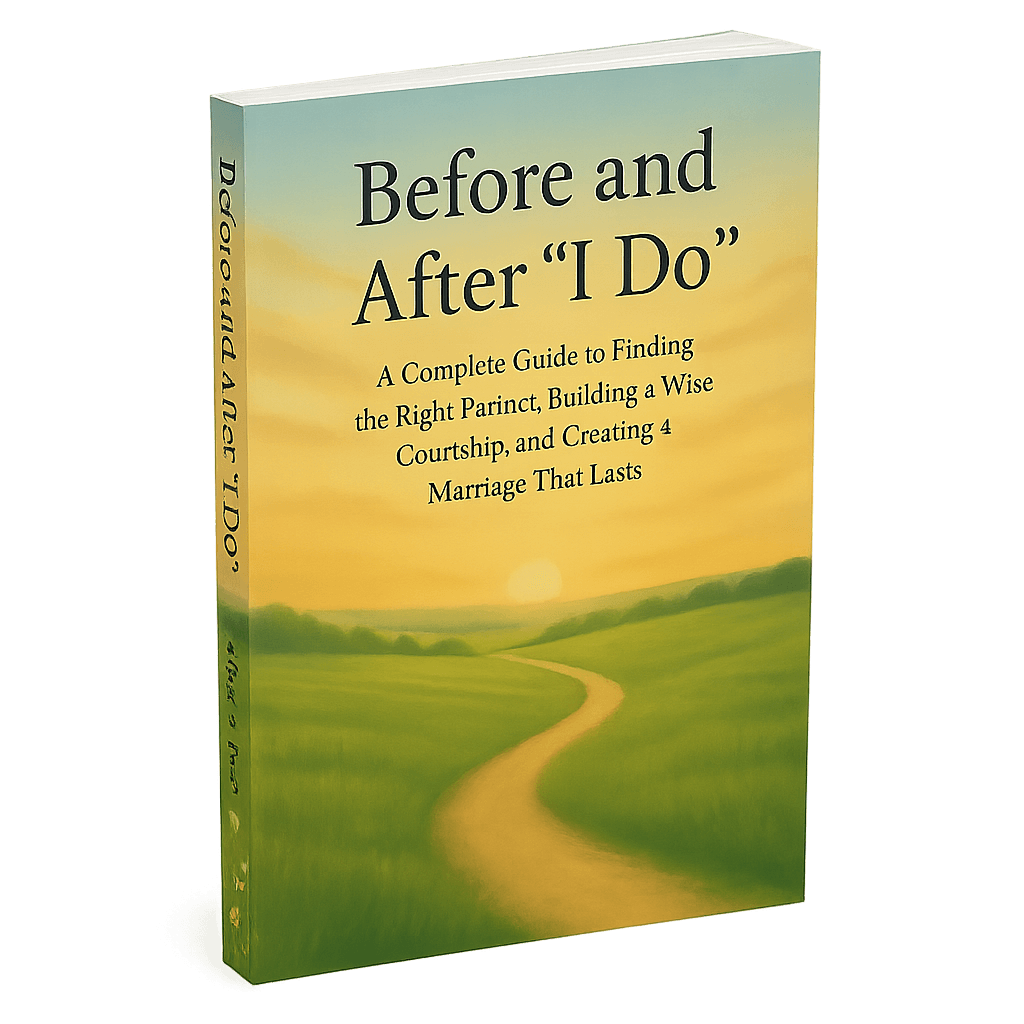
Before and After “I Do”
Abuchie S Kamara
$11.99
🔒 Secure payment via Stripe
Before and After “I Do” — Full PDF