Chapter 1
~16 min read
Chapter 1
Why Your Mind Never Feels Quiet
In this chapter, you'll learn why your mind often feels like it's never quiet. We'll explore the concept of mental overload, which is when your brain is overwhelmed with too much information or too many tasks. We'll also look at constant worry, a state where your mind is always occupied with concerns about the future. Finally, we'll discuss unfinished emotional problems, which are unresolved feelings or conflicts that linger in your mind. By understanding these peace-stealers, you can begin to identify them in your own life and take steps toward achieving mental tranquility.
Mental Overload: Understanding the Chaos
Mental overload occurs when your brain is trying to process too much at once. Imagine your brain as a computer. Just like a computer can slow down when too many programs are running, your mind can feel sluggish and overwhelmed when it's overloaded with information and tasks.
One common cause of mental overload is the constant influx of information we receive daily. From emails and social media notifications to news updates and work tasks, our brains are bombarded with data. This can lead to a feeling of being overwhelmed and unable to focus.
Another factor contributing to mental overload is multitasking. While it might seem efficient to juggle multiple tasks at once, research shows that multitasking can actually reduce productivity and increase stress. When you switch between tasks, your brain has to constantly refocus, which can be mentally exhausting.
Example Scenario: The Overwhelmed Professional
Imagine you're a professional with a busy schedule. You start your day by checking emails, responding to messages, and attending meetings. Throughout the day, you try to tackle multiple projects simultaneously, all while keeping an eye on your phone for notifications. By the end of the day, you feel mentally drained and unable to relax.
This scenario illustrates how mental overload can occur when you're trying to do too much at once. The constant switching between tasks and the influx of information can leave you feeling overwhelmed and unable to find peace.
Practical Exercise: Simplify Your Information Intake
Identify Your Information Sources: Make a list of all the sources of information you consume daily, such as emails, social media, news sites, and work-related materials.
Prioritize: Determine which sources are essential and which can be reduced or eliminated. Focus on the information that truly adds value to your life.
Set Boundaries: Allocate specific times for checking emails and social media, and stick to these times to prevent constant interruptions.
Practice Mindfulness: Spend a few minutes each day practicing mindfulness or meditation to help clear your mind and reduce mental clutter.
Constant Worry: The Mind's Endless Loop
Constant worry is when your mind is preoccupied with concerns about the future. It's like a never-ending loop of "what if" scenarios that can prevent you from enjoying the present moment. This type of worry often stems from a fear of the unknown and a desire to control future outcomes.
Worrying can be mentally exhausting because it requires a lot of cognitive energy. When you're constantly thinking about potential problems or negative outcomes, your brain is working overtime, which can lead to stress and anxiety.
Example Scenario: The Anxious Student
Consider a student who is worried about an upcoming exam. They spend hours thinking about all the things that could go wrong, such as forgetting important information or not finishing on time. This constant worry prevents them from focusing on studying effectively and enjoying other aspects of their life.
This scenario highlights how constant worry can consume your thoughts and prevent you from being present. The fear of what might happen in the future can overshadow your ability to enjoy the present moment.
Practical Exercise: Break the Worry Cycle
Identify Your Worries: Write down your main worries and concerns. Be specific about what you're worried about and why.
Challenge Your Thoughts: For each worry, ask yourself if it's based on facts or assumptions. Consider alternative outcomes that are more positive or realistic.
Focus on What You Can Control: Identify actions you can take to address your worries. Focus on what you can control rather than what you can't.
Practice Gratitude: Each day, write down three things you're grateful for. This can help shift your focus from worry to appreciation.
Unfinished Emotional Problems: The Lingering Shadows
Unfinished emotional problems are unresolved feelings or conflicts that linger in your mind. These can include past arguments, unhealed relationships, or unprocessed emotions. When these issues are not addressed, they can create mental clutter and prevent you from finding peace.
Unresolved emotions can manifest as stress, anxiety, or even physical symptoms. They can also affect your relationships and overall well-being. Addressing these issues is essential for achieving mental tranquility.
Example Scenario: The Unresolved Conflict
Imagine you had a disagreement with a friend that was never resolved. Every time you think about it, you feel a mix of anger and sadness. This unresolved conflict occupies your thoughts and affects your mood, even when you're not consciously thinking about it.
This scenario demonstrates how unfinished emotional problems can linger in your mind and impact your peace. Without resolution, these issues can continue to affect your mental and emotional well-being.
Practical Exercise: Resolve Unfinished Emotional Problems
Identify Unresolved Issues: Make a list of any unresolved conflicts or emotions that are occupying your mind.
Reflect on Your Feelings: Take time to reflect on how these issues make you feel. Consider journaling your thoughts and emotions.
Seek Resolution: If possible, reach out to the person involved and have an open and honest conversation. If direct resolution isn't possible, consider writing a letter to express your feelings, even if you don't send it.
Practice Forgiveness: Forgive yourself and others for past mistakes. Letting go of resentment can help you move forward and find peace.
Practical Application: Daily Peace Practices
Now that you understand the peace-stealers of mental overload, constant worry, and unfinished emotional problems, it's time to put this knowledge into practice. Here are some daily exercises to help you cultivate mental tranquility:
Morning Mindfulness: Start your day with a few minutes of mindfulness or meditation. Focus on your breath and set a positive intention for the day.
Daily Journaling: Spend a few minutes each day writing down your thoughts and feelings. This can help you process emotions and gain clarity.
Evening Reflection: Before bed, reflect on your day. Consider what went well and what you can improve. Let go of any worries or unfinished business.
Key Takeaways
Mental overload occurs when your brain is overwhelmed with too much information or tasks. Simplifying your information intake can help reduce this overload.
Constant worry is a cycle of "what if" scenarios that can prevent you from enjoying the present. Breaking the worry cycle involves challenging your thoughts and focusing on what you can control.
Unfinished emotional problems are unresolved feelings or conflicts that linger in your mind. Addressing these issues through reflection and resolution can help you achieve mental tranquility.
Building Resilience Against Peace-Stealers
Understanding the sources of mental overload, constant worry, and unfinished emotional problems is the first step toward achieving mental tranquility. However, building resilience against these peace-stealers requires consistent practice and self-awareness. Let's explore some strategies to strengthen your mental resilience.
Developing a Routine
Establishing a daily routine can provide structure and predictability, which are essential for reducing mental overload and worry. A routine helps your brain know what to expect, reducing the mental energy spent on decision-making.
Example Scenario: The Structured Morning Imagine starting your day with a set routine: waking up at the same time, engaging in a brief meditation session, having a healthy breakfast, and planning your day. This structured start can set a positive tone, helping you manage tasks more efficiently and reducing the likelihood of feeling overwhelmed.
Setting Realistic Goals
Setting achievable goals can prevent the frustration and stress that come from overcommitting. Break larger tasks into smaller, manageable steps and celebrate each accomplishment to maintain motivation and reduce anxiety.
Practical Exercise: Goal Setting
Identify Your Goals: Write down your short-term and long-term goals. Be specific about what you want to achieve.
Break Down Tasks: Divide each goal into smaller, actionable steps. This makes large goals feel less daunting and more achievable.
Set Deadlines: Assign realistic deadlines to each step to keep yourself accountable and motivated.
Review and Adjust: Regularly review your progress and adjust your goals as needed. Flexibility is key to maintaining balance and reducing stress.
Practicing Self-Compassion
Self-compassion involves treating yourself with kindness and understanding, especially during difficult times. It helps reduce the impact of unfinished emotional problems by fostering forgiveness and acceptance.
Example Scenario: The Self-Compassionate Approach Consider a situation where you made a mistake at work. Instead of harshly criticizing yourself, practice self-compassion by acknowledging that everyone makes mistakes and focusing on what you can learn from the experience. This mindset can help you move past emotional setbacks more quickly.
Building a Support Network
Having a strong support network can provide emotional stability and perspective. Friends, family, or support groups can offer guidance, encouragement, and a listening ear when you're dealing with mental overload or emotional issues.
Practical Exercise: Strengthen Your Support Network
Identify Your Support System: List the people in your life who provide emotional support. Consider friends, family, colleagues, or community groups.
Reach Out Regularly: Make an effort to connect with your support network regularly. This can be through phone calls, messages, or in-person meetings.
Offer Support: Be there for others in your network as well. Offering support can strengthen relationships and create a sense of mutual understanding.
Seek Professional Help: If needed, don't hesitate to seek professional help from a therapist or counselor. They can provide valuable tools and strategies for managing mental health challenges.
Mindful Living: A Path to Mental Peace
Mindful living involves being present in the moment and fully engaging with your surroundings. This practice can help reduce mental overload and worry by shifting your focus from past regrets or future anxieties to the present moment.
Incorporating Mindfulness into Daily Life
Mindfulness can be integrated into various aspects of your daily routine. Whether it's during meals, while walking, or even during routine tasks, mindfulness encourages you to engage fully with the present moment.
Practical Exercise: Mindful Moments
Mindful Eating: During meals, focus on the taste, texture, and aroma of your food. Eat slowly and savor each bite.
Mindful Walking: Pay attention to the sensation of your feet touching the ground, the rhythm of your breath, and the sights and sounds around you.
Mindful Breathing: Take a few moments each day to focus on your breath. Inhale deeply through your nose, hold for a moment, and exhale slowly through your mouth.
Mindful Listening: When conversing with others, listen attentively without interrupting. Focus on understanding their perspective fully.
Embracing Imperfection
Accepting that perfection is unattainable can alleviate the pressure that contributes to mental overload and worry. Embrace imperfections as opportunities for growth and learning.
Example Scenario: The Imperfect Project Imagine working on a project that didn't turn out exactly as planned. Instead of fixating on the flaws, focus on what you learned from the experience and how you can improve in the future. This mindset shift can reduce stress and promote a healthier perspective.
Conclusion: A Journey Toward Mental Tranquility
Achieving mental tranquility is an ongoing journey that requires awareness, practice, and patience. By understanding and addressing the peace-stealers of mental overload, constant worry, and unfinished emotional problems, you can cultivate a more peaceful mind.
Remember that building resilience and practicing mindfulness are key components of this journey. As you integrate these strategies into your daily life, you'll find yourself better equipped to handle challenges and maintain mental tranquility.
Continue to explore and refine these practices, and be gentle with yourself as you navigate the path to a quieter mind. With time and dedication, you can create a life filled with greater peace and fulfillment.
Emotional Awareness: Recognizing Your Inner State
Emotional awareness is the ability to recognize and understand your emotions and their impact on your thoughts and behaviors. Developing this awareness can help you identify when you're experiencing mental overload, constant worry, or unfinished emotional problems.
Practical Exercise: Emotional Check-In
Pause and Reflect: Set aside a few moments each day to pause and reflect on your current emotional state. Ask yourself how you're feeling and why.
Label Your Emotions: Try to identify and label your emotions accurately. Are you feeling anxious, frustrated, or content? Naming your emotions can help you understand them better.
Explore Triggers: Consider what might have triggered these emotions. Was it a specific event, thought, or interaction?
Respond Mindfully: Once you've identified your emotions and their triggers, decide how you want to respond. Choose actions that align with your values and goals.
Time Management: Prioritizing What Matters
Effective time management can reduce mental overload by helping you prioritize tasks and allocate your energy wisely. By focusing on what truly matters, you can prevent unnecessary stress and create more space for mental tranquility.
Practical Exercise: Time Audit
Track Your Time: For one week, keep a detailed log of how you spend your time each day. Include work tasks, leisure activities, and any other commitments.
Identify Time Wasters: Review your log and identify activities that don't align with your priorities or contribute to your well-being.
Set Priorities: Determine which tasks are most important and align with your goals. Focus on these tasks and eliminate or reduce time spent on less important activities.
Create a Schedule: Develop a daily or weekly schedule that reflects your priorities. Allocate specific time blocks for important tasks and stick to them.
Digital Detox: Reducing Information Overload
In our digital age, constant connectivity can contribute to mental overload. A digital detox involves taking intentional breaks from screens and technology to reduce information overload and promote mental clarity.
Practical Exercise: Digital Detox Plan
Set Boundaries: Decide on specific times each day when you'll disconnect from digital devices, such as during meals or before bed.
Create Tech-Free Zones: Designate certain areas in your home as tech-free zones, where devices are not allowed.
Engage in Offline Activities: Use your digital detox time to engage in offline activities that bring you joy, such as reading, exercising, or spending time in nature.
Reflect on the Experience: After your detox, reflect on how it affected your mental state and overall well-being. Consider incorporating regular digital detoxes into your routine.
Gratitude Practice: Shifting Focus to Positivity
Practicing gratitude can shift your focus from worry and negativity to appreciation and positivity. By regularly acknowledging the good in your life, you can cultivate a more peaceful and content mindset.
Practical Exercise: Gratitude Journal
Daily Gratitude List: Each day, write down three things you're grateful for. They can be big or small, such as a supportive friend or a beautiful sunset.
Reflect on Gratitude: Take a moment to reflect on why you're grateful for each item on your list and how it positively impacts your life.
Share Gratitude: Consider sharing your gratitude with others. Expressing appreciation can strengthen relationships and spread positivity.
Review Regularly: Periodically review your gratitude journal to remind yourself of the positive aspects of your life, especially during challenging times.
Conclusion: Embracing a Quieter Mind
As you continue your journey toward mental tranquility, remember that achieving a quieter mind is a gradual process. By understanding and addressing the peace-stealers of mental overload, constant worry, and unfinished emotional problems, you can create a more peaceful and fulfilling life.
Embrace the strategies and exercises outlined in this chapter, and be patient with yourself as you implement them. With consistent practice and self-awareness, you'll find yourself better equipped to navigate life's challenges and maintain a sense of inner peace.
Keep exploring and refining these practices, and remember that every small step you take toward mental tranquility is a step toward a more balanced and harmonious life.
Emotional Regulation: Managing Your Reactions
Emotional regulation is the ability to manage and respond to your emotions in a healthy way. This skill is crucial for maintaining mental tranquility, as it helps you navigate challenging situations without becoming overwhelmed.
Practical Exercise: Emotion Regulation Techniques
Deep Breathing: When you feel overwhelmed, take slow, deep breaths. Inhale deeply through your nose, hold for a few seconds, and exhale slowly through your mouth. This can help calm your nervous system and reduce stress.
Progressive Muscle Relaxation: Tense and then relax each muscle group in your body, starting from your toes and working up to your head. This technique can help release physical tension associated with stress.
Visualization: Close your eyes and imagine a peaceful scene, such as a beach or a forest. Focus on the details of this scene to distract your mind from stressors and promote relaxation.
Reframing Thoughts: Challenge negative thoughts by considering alternative perspectives. Ask yourself if there's another way to view the situation that is more positive or realistic.
Self-Care: Prioritizing Your Well-Being
Self-care involves taking intentional actions to care for your physical, emotional, and mental health. Prioritizing self-care can help you manage stress and prevent mental overload.
Practical Exercise: Self-Care Plan
Identify Self-Care Activities: Make a list of activities that help you relax and recharge, such as reading, exercising, or spending time with loved ones.
Schedule Self-Care Time: Set aside regular time in your schedule for self-care activities. Treat this time as a non-negotiable appointment with yourself.
Listen to Your Body: Pay attention to your body's signals and respond to its needs. Rest when you're tired, eat when you're hungry, and seek support when you're feeling overwhelmed.
Set Boundaries: Learn to say no to commitments that drain your energy or don't align with your priorities. Protecting your time and energy is an essential part of self-care.
Mindful Communication: Enhancing Interactions
Mindful communication involves being fully present and attentive during interactions with others. This practice can improve relationships and reduce misunderstandings, contributing to a more peaceful mind.
Practical Exercise: Mindful Communication Techniques
Active Listening: Focus entirely on the speaker without interrupting. Show that you're listening through verbal and non-verbal cues, such as nodding or summarizing what they've said.
Empathy: Try to understand the speaker's perspective and emotions. Respond with empathy and validate their feelings, even if you don't agree with their viewpoint.
Clear Expression: Communicate your thoughts and feelings clearly and respectfully. Use "I" statements to express your needs and avoid blaming or criticizing others.
Pause Before Responding: Take a moment to consider your response before speaking. This can help you communicate more thoughtfully and avoid reactive or hurtful comments.
Nature Connection: Finding Peace in the Outdoors
Spending time in nature can have a calming effect on the mind and body. Nature connection involves engaging with the natural world to reduce stress and promote mental well-being.
Practical Exercise: Nature Connection Activities
Nature Walks: Take regular walks in natural settings, such as parks or forests. Pay attention to the sights, sounds, and smells around you to enhance your connection with nature.
Outdoor Meditation: Practice meditation or mindfulness exercises outdoors. Focus on the natural elements around you, such as the rustling leaves or the warmth of the sun.
Gardening: Engage in gardening or plant care activities. Tending to plants can be a therapeutic and rewarding way to connect with nature.
Nature Journaling: Keep a journal to document your experiences in nature. Reflect on how these experiences make you feel and any insights you gain from them.
Conclusion: Embracing a Balanced Life
Achieving a quieter mind and a more balanced life is an ongoing journey that requires dedication and practice. By understanding the peace-stealers of mental overload, constant worry, and unfinished emotional problems, and by implementing the strategies outlined in this chapter, you can cultivate a more peaceful and fulfilling life.
Remember that progress takes time, and it's important to be patient with yourself as you navigate this journey. Embrace each step you take toward mental tranquility, and celebrate the positive changes you experience along the way.
As you continue to explore and refine these practices, you'll find yourself better equipped to handle life's challenges and maintain a sense of inner peace. Keep moving forward, and trust that with consistent effort, you can create a life filled with greater calm and contentment.
End of Chapter 1
Enjoyed that?
Get the full book and read it anywhere. One-time purchase, PDF download included.
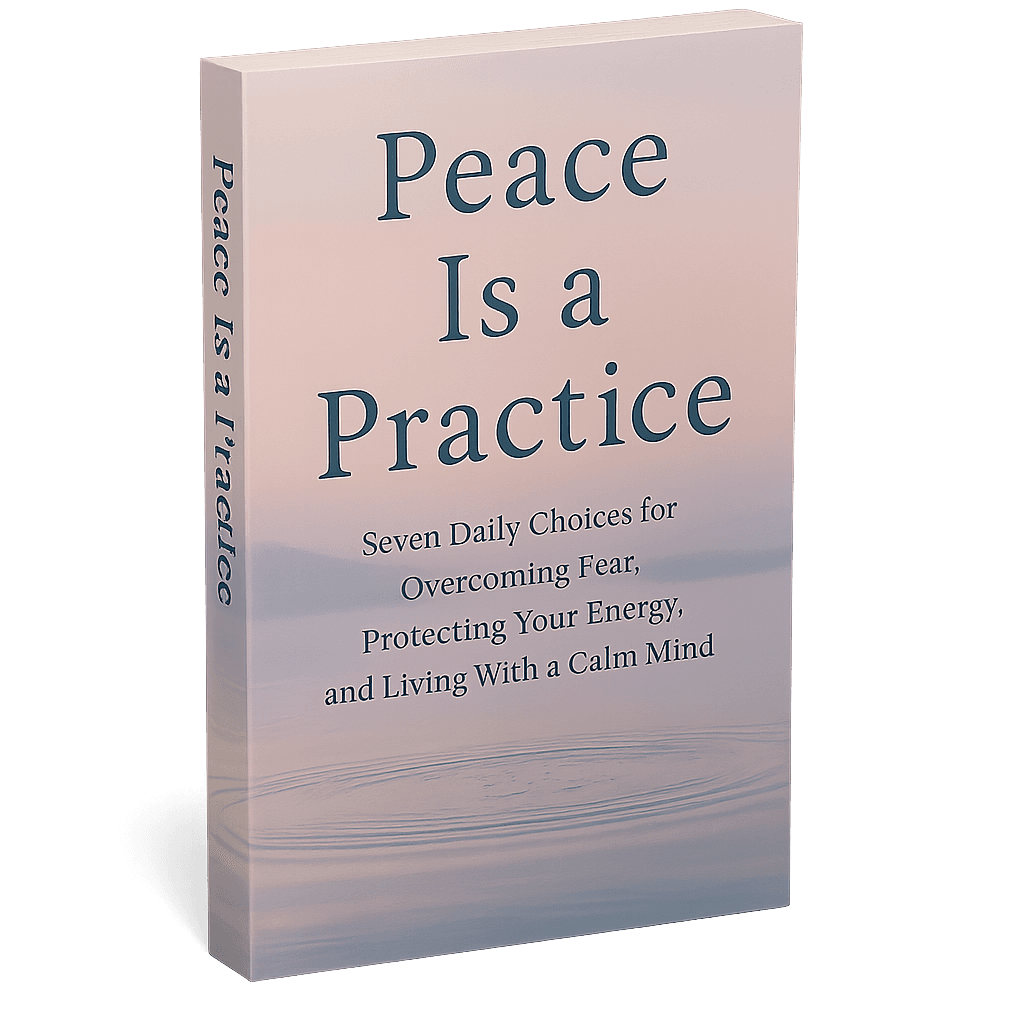
Peace Is a Practice
Abuchie S Kamara
$11.99
🔒 Secure payment via Stripe
Peace Is a Practice — Full PDF