Chapter 1
~15 min read
Chapter 1
The Life Others Planned for You
In this chapter, you'll learn how family expectations, social pressure, and the desire for approval can lead you away from your true path. By understanding these influences, you can begin to identify how they have shaped your life choices and start the journey toward living a life that aligns with your own values and desires.
Understanding Family Expectations
Family expectations are the hopes and aspirations that your family members have for you. These can be explicit, like a parent telling you they want you to become a doctor, or implicit, such as a family culture that values certain professions or lifestyles over others. While family expectations can provide guidance and support, they can also become a source of pressure that leads you away from your true interests and passions.
Imagine you grew up in a family where everyone is involved in the family business. From a young age, you might feel an unspoken expectation to join the business, even if your interests lie elsewhere. This can create an internal conflict between pursuing what you love and meeting your family's expectations.
Recognizing the Influence of Family Expectations
To understand how family expectations have influenced your life, start by reflecting on the following questions:
What career or life choices have your family members explicitly or implicitly encouraged?
Have you ever felt guilty or anxious about pursuing a path different from what your family expects?
Are there family traditions or values that you feel obligated to uphold, even if they don't resonate with you personally?
By answering these questions, you can begin to see where your family's expectations may have shaped your decisions. It's important to acknowledge these influences without judgment. Recognizing them is the first step toward understanding how they impact your life.
Example Scenario: Navigating Family Expectations
Consider a young adult named Alex, who comes from a family of engineers. From a young age, Alex was encouraged to pursue engineering, even though they had a passion for art. Despite excelling in art classes and feeling a deep sense of fulfillment when creating, Alex chose to study engineering to meet their family's expectations. Over time, Alex felt increasingly disconnected from their work and began to question their career choice.
This scenario illustrates how family expectations can lead someone away from their true path. By recognizing the source of their dissatisfaction, Alex can start exploring ways to integrate their passion for art into their life, whether through a career change or as a fulfilling hobby.
Social Pressure and Its Impact
Social pressure refers to the influence that society, peers, and cultural norms have on your decisions and behavior. It can manifest in various forms, such as the pressure to conform to societal standards of success, beauty, or lifestyle. Social pressure can be subtle, like feeling the need to dress a certain way to fit in, or more overt, like being encouraged to follow a specific career path because it's deemed prestigious.
Think of social pressure as a current in a river. It's easy to go with the flow, but doing so might lead you away from your desired destination. To navigate social pressure effectively, you need to be aware of its presence and learn to swim against the current when necessary.
Identifying Social Pressure in Your Life
To identify how social pressure affects you, consider these questions:
Do you often compare your achievements or lifestyle to those of your peers?
Have you made decisions based on what you think others expect of you, rather than what you truly want?
Are there societal norms or trends that you feel compelled to follow, even if they don't align with your values?
Reflecting on these questions can help you pinpoint areas where social pressure may be influencing your choices. Once you recognize these influences, you can begin to make more conscious decisions that align with your true desires.
Example Scenario: Overcoming Social Pressure
Imagine a professional named Jamie, who works in a high-paying corporate job. Society often equates financial success with happiness, and Jamie feels pressure to maintain this image. However, Jamie's true passion lies in teaching, a career that offers less financial reward but more personal fulfillment. By acknowledging the social pressure to prioritize financial success, Jamie can begin to explore ways to transition into teaching, aligning their career with their values.
The Desire for Approval
The desire for approval is a natural human tendency to seek validation and acceptance from others. While it's normal to want to be liked and respected, relying too heavily on external approval can lead you to make choices that don't reflect your true self. This desire can stem from a need for affirmation, fear of rejection, or a lack of self-confidence.
Think of approval as a mirror. When you constantly seek approval from others, you're looking into their mirror to see your reflection. However, this reflection might not accurately represent who you are. To live authentically, you need to look into your own mirror and see yourself clearly.
Recognizing the Need for Approval
To understand how the desire for approval affects your life, ask yourself:
Do you often change your behavior or opinions to gain acceptance from others?
Have you made significant life choices based on what you thought would earn you praise or admiration?
Do you feel anxious or uncomfortable when others disapprove of your decisions?
By reflecting on these questions, you can identify areas where the desire for approval may be influencing your decisions. Recognizing this need is the first step toward making choices that align with your true self.
Example Scenario: Breaking Free from the Need for Approval
Consider a student named Taylor, who excels in science but has a passion for writing. Taylor's parents and teachers often praise their scientific achievements, leading Taylor to pursue a degree in science despite feeling more fulfilled when writing. By recognizing their need for approval, Taylor can begin to explore ways to incorporate writing into their life, whether through a minor in creative writing or by writing in their free time.
Practical Application: Identifying External Influences
Now that you've explored how family expectations, social pressure, and the desire for approval can shape your life, it's time to put this knowledge into practice. Follow these steps to identify external influences in your own life:
Reflect on Your Past Decisions: Take some time to think about major decisions you've made in your life, such as your career choice, educational path, or lifestyle. Consider whether these decisions were influenced by family expectations, social pressure, or the desire for approval.
Identify Patterns: Look for patterns in your decision-making. Are there recurring themes or influences that have guided your choices? Understanding these patterns can help you recognize when external influences are at play.
Journal Your Thoughts: Write down your reflections and insights in a journal. This exercise can help you process your thoughts and gain clarity on how external influences have shaped your life.
Discuss with a Trusted Friend or Mentor: Share your insights with someone you trust. They can provide an outside perspective and help you see things you might have missed.
Set Intentions for Future Decisions: Based on your reflections, set intentions for making future decisions that align with your true self. Consider how you can prioritize your values and desires over external influences.
Key Takeaways
Family expectations, social pressure, and the desire for approval can lead you away from your true path. Recognizing these influences is the first step toward living authentically.
Reflecting on past decisions and identifying patterns can help you understand how external influences have shaped your life.
Setting intentions for future decisions can empower you to prioritize your values and desires over external expectations.
Overcoming External Influences
Once you've identified the external influences that have shaped your life, the next step is to actively work on overcoming them. This process involves building self-awareness, setting boundaries, and developing the courage to pursue your own path. Let's explore some practical strategies to help you break free from these influences.
Building Self-Awareness
Self-awareness is the foundation for making authentic choices. It involves understanding your own values, desires, and motivations. Here are some ways to enhance your self-awareness:
Mindfulness Practices: Engage in mindfulness activities such as meditation, deep breathing, or yoga. These practices can help you become more attuned to your thoughts and feelings, allowing you to recognize when external influences are affecting your decisions.
Regular Self-Reflection: Set aside time each week to reflect on your experiences and decisions. Ask yourself questions like, "Why did I make this choice?" or "Does this decision align with my values?" This habit can help you stay connected to your true self.
Seek Feedback: Ask trusted friends or mentors for feedback on your decisions. They can offer valuable insights and help you see patterns you might not notice on your own.
Setting Boundaries
Setting boundaries is essential for protecting your personal values and desires from external pressures. Here are some steps to establish healthy boundaries:
Identify Your Limits: Clearly define what you are comfortable with and what you are not. This could relate to how much time you spend with certain people, the types of activities you engage in, or the expectations you accept from others.
Communicate Clearly: Once you've identified your limits, communicate them clearly and assertively to others. Use "I" statements to express your needs, such as "I need time to focus on my own interests" or "I prefer not to discuss my career choices at family gatherings."
Be Consistent: Consistency is key to maintaining boundaries. Stick to your limits even when faced with resistance or pressure. This consistency will reinforce your commitment to living authentically.
Developing Courage to Pursue Your Path
Pursuing your own path requires courage, especially when it means going against the expectations of others. Here are some strategies to build that courage:
Visualize Success: Spend time visualizing what success looks like for you. Imagine yourself living a life that aligns with your values and passions. This visualization can motivate you to take steps toward that vision.
Start Small: Begin by making small changes that align with your true desires. These could be as simple as dedicating time each week to a hobby you love or taking a course in a field you're passionate about. Small steps can build momentum and confidence.
Embrace Failure as Learning: Understand that failure is a natural part of the journey. Each setback is an opportunity to learn and grow. By reframing failure as a learning experience, you can reduce the fear of making mistakes.
Example Scenario: Embracing Your True Path
Consider an individual named Morgan, who has always felt pressured to follow in their family's footsteps and become a lawyer. Despite completing law school, Morgan feels unfulfilled and yearns to pursue a career in environmental conservation. By building self-awareness, Morgan recognizes that their passion for the environment aligns more closely with their values. They set boundaries by communicating their decision to their family and begin volunteering with local conservation groups. Over time, Morgan gains the courage to transition into a full-time role in environmental advocacy, finding fulfillment and purpose in their work.
Common Mistakes to Avoid
As you work to overcome external influences, be mindful of common pitfalls that can hinder your progress:
Ignoring Your Intuition: Your intuition is a powerful guide. Ignoring it in favor of external opinions can lead to dissatisfaction. Trust your instincts and listen to your inner voice.
Seeking Perfection: The pursuit of perfection can be paralyzing. Remember that it's okay to make imperfect choices as long as they align with your values and desires.
Overcommitting: Trying to please everyone by saying "yes" to every request can lead to burnout. Prioritize your own needs and be selective about where you invest your time and energy.
Practical Exercise: Crafting Your Personal Mission Statement
Creating a personal mission statement can serve as a guiding light for your decisions and actions. Follow these steps to craft your own:
Identify Core Values: Reflect on what matters most to you. Consider values such as integrity, creativity, compassion, or adventure.
Define Your Purpose: Think about what you want to achieve in life and how you want to contribute to the world. This could be related to your career, relationships, or personal growth.
Write Your Statement: Combine your core values and purpose into a concise statement. For example, "My mission is to live a life of creativity and compassion, inspiring others through my art and actions."
Review and Revise: Regularly revisit your mission statement and make adjustments as needed. As you grow and evolve, your mission may change too.
Conclusion: Embracing Your Authentic Self
By understanding and overcoming the external influences of family expectations, social pressure, and the desire for approval, you can begin to live a life that truly reflects who you are. This journey requires self-awareness, courage, and a commitment to your own values and desires. Remember, the path to authenticity is unique for each person. Embrace your journey with patience and compassion, knowing that every step you take brings you closer to living a life that is genuinely yours.
Building a Supportive Environment
As you work towards living authentically, it's crucial to create an environment that supports your journey. This involves surrounding yourself with people and resources that encourage your growth and align with your values. Let's explore some practical steps to build a supportive environment.
Surround Yourself with Positive Influences
The people you spend time with can significantly impact your mindset and decisions. Here's how to ensure you're surrounded by positive influences:
Evaluate Your Relationships: Reflect on the people in your life. Do they support your goals and values, or do they pressure you to conform to their expectations? Identify relationships that uplift you and those that may be holding you back.
Seek Like-Minded Individuals: Join groups or communities that share your interests and values. Whether it's a hobby club, professional association, or online forum, connecting with like-minded individuals can provide encouragement and inspiration.
Limit Exposure to Negative Influences: While it's not always possible to avoid negative influences entirely, you can limit your exposure. Spend less time with people who drain your energy or undermine your confidence.
Utilize Resources for Personal Growth
Access to the right resources can empower you to pursue your path with confidence. Consider these options:
Educational Opportunities: Enroll in courses or workshops that align with your interests and goals. Continuous learning can help you develop new skills and gain insights into your passions.
Books and Media: Read books, listen to podcasts, or watch documentaries that inspire and educate you. Choose content that resonates with your values and broadens your perspective.
Mentorship: Seek out mentors who can offer guidance and support. A mentor can provide valuable advice, share their experiences, and help you navigate challenges.
Create a Physical Space That Reflects Your Values
Your physical environment can influence your mood and productivity. Here's how to create a space that supports your journey:
Declutter and Organize: A tidy and organized space can reduce stress and increase focus. Remove items that no longer serve you and organize your belongings in a way that promotes efficiency.
Incorporate Personal Touches: Decorate your space with items that reflect your personality and values. This could include artwork, photographs, or meaningful objects that inspire you.
Designate Areas for Reflection and Creativity: Create a dedicated area for activities that nurture your soul, such as journaling, meditation, or creative pursuits. Having a designated space can encourage regular practice.
Example Scenario: Creating a Supportive Environment
Consider an individual named Sam, who is passionate about sustainable living. To align their environment with their values, Sam joins a local environmental group, attends workshops on sustainability, and reads books on eco-friendly practices. Sam also transforms their living space by incorporating plants, using recycled materials, and setting up a small garden. By surrounding themselves with supportive people and resources, Sam feels more empowered to live authentically and pursue their passion for sustainability.
Embracing Change and Growth
Living authentically is an ongoing process that involves embracing change and personal growth. As you continue on this journey, it's important to remain open to new experiences and opportunities for self-improvement. Here are some strategies to help you embrace change and growth:
Adopt a Growth Mindset
A growth mindset is the belief that your abilities and intelligence can be developed through effort and learning. Here's how to cultivate a growth mindset:
Embrace Challenges: View challenges as opportunities to learn and grow. Instead of avoiding difficult situations, approach them with curiosity and a willingness to learn.
Learn from Criticism: Use feedback as a tool for improvement. Rather than taking criticism personally, consider how it can help you grow and refine your skills.
Celebrate Effort and Progress: Focus on the effort you put into your goals rather than just the outcome. Celebrate small victories and recognize the progress you've made along the way.
Stay Open to New Experiences
Being open to new experiences can lead to personal growth and a deeper understanding of yourself. Consider these approaches:
Try New Activities: Step out of your comfort zone by trying new activities or hobbies. This can help you discover new interests and strengths.
Travel and Explore: Traveling to new places can broaden your perspective and expose you to different cultures and ideas. Even local exploration can offer fresh insights.
Engage with Diverse Perspectives: Seek out conversations with people from different backgrounds and viewpoints. This can challenge your assumptions and expand your understanding of the world.
Reflect on Your Growth Journey
Regular reflection can help you stay connected to your growth journey and ensure you're moving in the right direction. Here's how to incorporate reflection into your routine:
Set Aside Time for Reflection: Dedicate time each week or month to reflect on your experiences and growth. Consider what you've learned and how you've changed.
Document Your Journey: Keep a journal to record your thoughts, insights, and progress. This can serve as a valuable tool for tracking your growth over time.
Adjust Your Goals as Needed: As you grow and evolve, your goals may change. Be open to adjusting your goals to better align with your current values and aspirations.
Example Scenario: Embracing Change and Growth
Imagine an individual named Jordan, who has always been hesitant to try new things. By adopting a growth mindset, Jordan begins to view challenges as opportunities for growth. They start taking cooking classes, join a public speaking group, and travel to new destinations. Through these experiences, Jordan discovers a passion for culinary arts and gains confidence in their abilities. By embracing change and growth, Jordan continues to evolve and live a more fulfilling life.
Final Thoughts: Living Authentically
Living authentically is a lifelong journey that requires self-awareness, courage, and a commitment to your values. By understanding and overcoming external influences, building a supportive environment, and embracing change and growth, you can create a life that truly reflects who you are. Remember, authenticity is not about perfection but about being true to yourself and living in alignment with your values and desires. Embrace your unique path with confidence and compassion, knowing that every step you take brings you closer to living a life that is genuinely yours.
End of Chapter 1
Enjoyed that?
Get the full book and read it anywhere. One-time purchase, PDF download included.
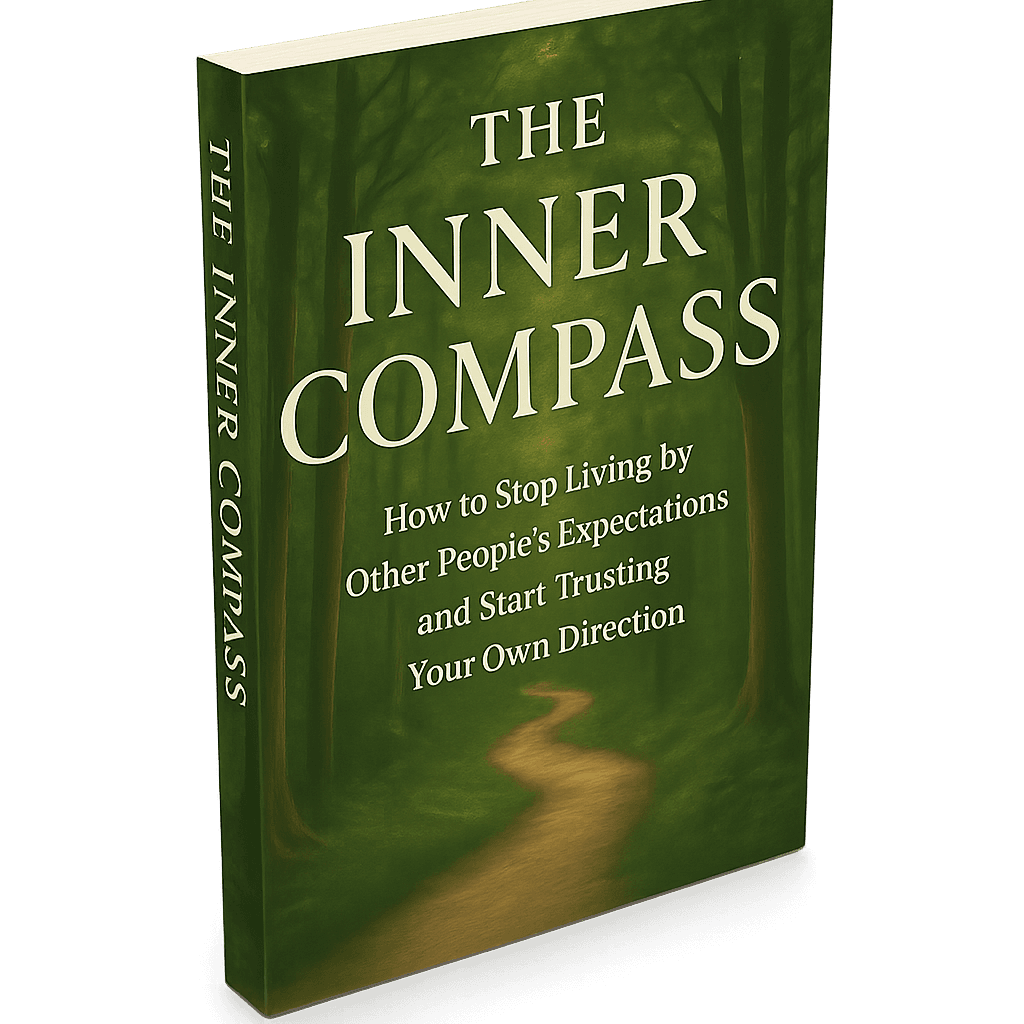
The Inner Compass
Abuchie S Kamara
$11.99
🔒 Secure payment via Stripe
The Inner Compass — Full PDF